


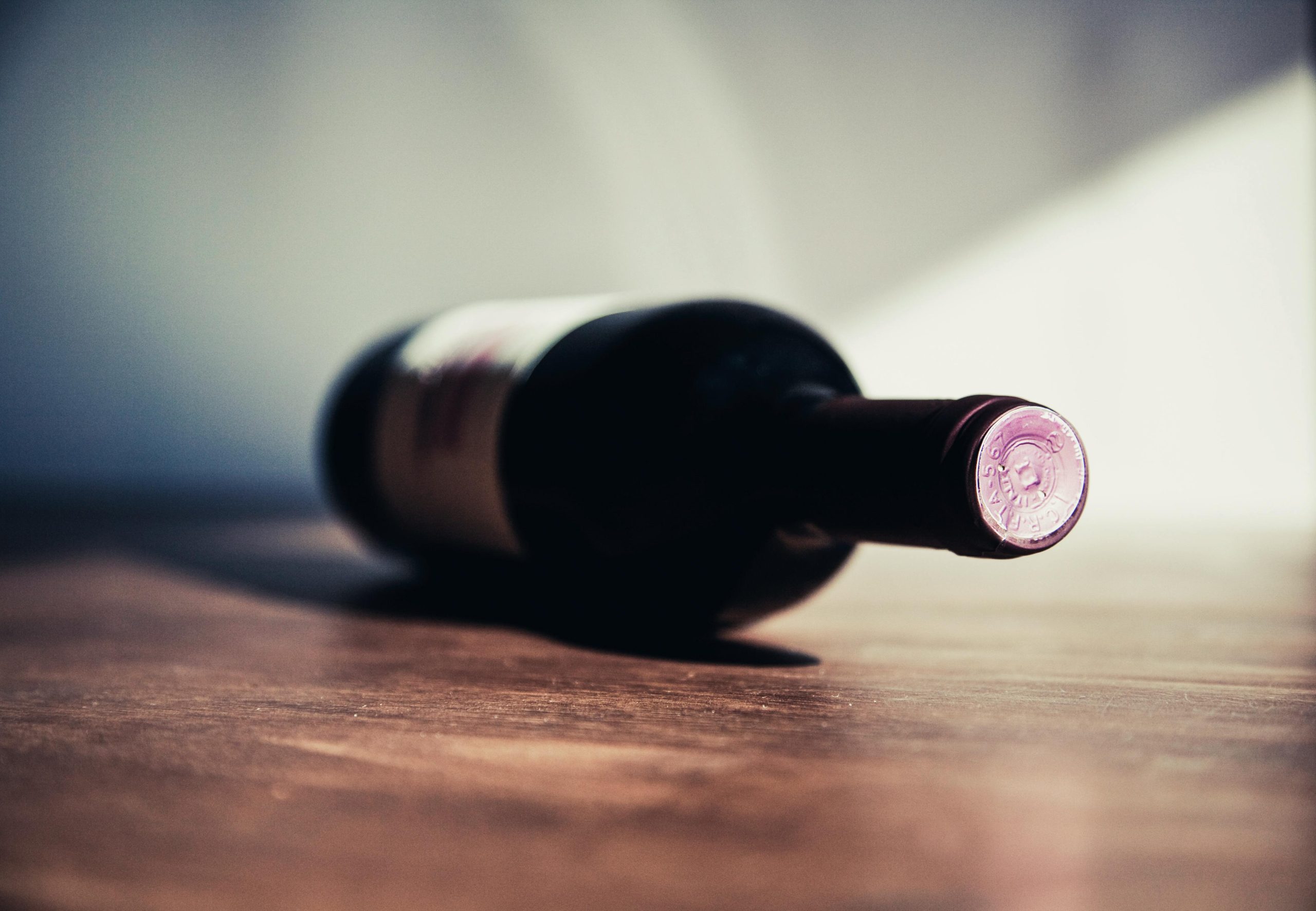
The Mediterranean wine market has experienced remarkable growth of 7.2% in 2024, according to the International Organisation of Vine and Wine, driven by increasing demand for unique terroir expressions and premium selections. These sun-kissed regions offer distinctive flavors shaped by ancient traditions and diverse microclimates. What if you could access exceptional wines from Lebanon, Syria, and beyond through curated collections? Discover authentic Mediterranean excellence with ALTCELLARS, where each bottle tells a story of heritage and craftsmanship.
What Makes Mediterranean Wines Truly Unique
The Mediterranean basin creates wines unlike anywhere else on Earth, shaped by ancient terroirs that have nurtured vines for millennia. The region’s unique combination of warm, dry summers and mild winters, coupled with diverse geological formations from limestone plateaus to volcanic soils, produces wines of exceptional character and complexity.
Additional reading : Choose the best insulated lunch pouch for your lifestyle
Lebanese and Syrian wines exemplify this Mediterranean distinctiveness through their indigenous grape varieties and time-honored winemaking traditions. Lebanon’s Bekaa Valley, with its high altitude and continental climate, nurtures both international varieties and native grapes like Obaideh and Merwah. Syrian viticulture, despite recent challenges, maintains ancient techniques passed down through generations, creating wines that reflect thousands of years of cultural heritage.
From the sun-drenched vineyards of Provence to the volcanic slopes of Santorini, Mediterranean appellations showcase remarkable diversity. Each region contributes its own signature: the elegant rosés of Côtes de Provence, the mineral-driven whites of Lebanon’s mountains, or the powerful reds from Sicily’s Etna. This extraordinary range of flavors and styles makes Mediterranean wines truly captivating for discerning wine enthusiasts.
Also to read : Elevate Kitchen Safety and Efficiency with Magnetic Knife Strips: The Ultimate Smart Storage Solution
Curated Collection of Premium Wines: Selection Criteria
Identifying an exceptional wine requires expertise and passion. Our selection of Mediterranean wines is based on six fundamental criteria that guarantee impeccable quality for our customers.
- Terroir quality: Unique soils, an authentic Mediterranean climate, and optimal vine exposure. The terroirs of Lebanon and Syria offer exceptional geological characteristics.
- Winemaker expertise: Traditional know-how passed down through generations, combined with modern winemaking techniques.
- Winemaking methods: Respectful approaches to the grapes, controlled fermentations, and careful aging in selected oak barrels.
- Aging potential: Balanced tannic structure and natural acidity allow for optimal aging of 5 to 20 years, depending on the vintage.
- Regional authenticity: Enhanced use of indigenous grape varieties and a pure expression of the Mediterranean character in every bottle.
- Organic certifications: Environmentally friendly farming practices and the absence of synthetic chemicals to preserve the wines’ unique character.
These rigorous criteria allow us to offer you only exceptional wines that tell the fascinating story of their terroirs of origin.
Lebanese and Syrian Wines: Hidden Gems of the Middle East
The winemaking history of Lebanon and Syria stretches back over 6,000 years, making this region the cradle of global viticulture. These biblical lands, where the Phoenicians perfected the art of winemaking, are experiencing a remarkable renaissance today, despite contemporary geopolitical challenges.
The Bekaa Valley in Lebanon is at the heart of this renaissance. Located at an altitude of 1,000 meters between the Lebanon and Anti-Lebanon mountain ranges, this region boasts exceptional climatic conditions. Hot, dry summers, combined with cool nights, allow for a slow and balanced ripening of the grapes. The Château Musar, Château Ksara, and Château Kefraya estates produce exceptional wines there that rival the world’s finest wines.
Traditional Mediterranean grape varieties such as Cinsault and Carignan coexist harmoniously with international varieties. This unique alliance creates wines of remarkable complexity, expressing both the ancestral terroir and the modern winemaking techniques that contribute to the growing reputation of these exceptional wines.
Artisanal and Organic Options from Mediterranean Terroirs
The Mediterranean basin is experiencing a true wine revolution with the rise of organic and biodynamic wines. These ancestral methods, revived for modern tastes, are radically transforming the expression of the unique terroirs of this blessed region.
Mediterranean winemakers are massively adopting environmentally friendly practices. Without pesticides or chemical fertilizers, the vines naturally draw on the mineral richness of the limestone and volcanic soils. This approach reveals authentic flavors often masked by conventional chemical interventions.
AB, Demeter, and Biodyvin certifications guarantee compliance with strict specifications. These labels reassure consumers concerned about their health and the environment. Organic Mediterranean wines offer remarkable aromatic concentration, a true reflection of their terroir of origin.
This artisanal approach also preserves the biodiversity of the vineyards. Natural ecosystems regain their balance, fostering the pure expression of the Mediterranean character in every bottle produced using these respectful, traditional methods.
Perfect Pairings: Mediterranean Cuisine and Premium Wines
The magic of Mediterranean food and wine pairings lies in a millennia-old harmony between terroirs and culinary traditions. The winemakers of these sun-drenched regions have developed their grape varieties in perfect symbiosis with local specialties.
In France, a red Châteauneuf-du-Pape beautifully complements the richness of a Provençal ratatouille, while a rosé Bandol delicately accompanies a Marseilles bouillabaisse. Italy offers iconic pairings: a Chianti Classico with pasta in a fresh tomato sauce, or a Sardinian Vermentino with seafood grilled in olive oil.
Greek wines reveal surprising pairings. An Assyrtiko from Santorini, with its volcanic minerality, harmonizes perfectly with tzatziki and herb-crusted grilled lamb. Lebanese treasures like a red Château Ksara beautifully complement a traditional mezze or spiced lamb.
In Morocco, Meknes wines naturally pair with a lamb tagine with prunes, creating a balance between the roundness of the fruit and the complexity of oriental spices.
Storage and Serving: Preserving These Exceptional Varieties
Storing Mediterranean wines requires an approach tailored to their unique profiles. Powerful reds from Lebanon or Syria need a stable temperature between 12-14°C, while aromatic whites are ideally stored at 10-12°C. Humidity should remain constant at around 70% to preserve the corks and prevent premature oxidation.
For serving, adhere to the optimal temperatures: 16-18°C for structured reds, 8-10°C for crisp whites, and 6-8°C for Mediterranean rosés. Decanting for an hour fully reveals the complex aromas of aged premium wines. Recent vintages can be enjoyed immediately, while top selections age beautifully for 5 to 15 years, depending on their tannic structure and natural acidity.
Questions About Mediterranean Wine Selection
What makes Mediterranean wines unique compared to other regions?
Mediterranean wines benefit from ancient terroirs, diverse microclimates, and traditional winemaking methods passed down through generations, creating distinctive flavor profiles impossible to replicate elsewhere.
How do I choose the best Lebanese wine for a special dinner?
Consider your menu first. Lebanese Cabernet Sauvignon pairs beautifully with red meat, while indigenous varieties like Obaideh complement seafood and Mediterranean dishes perfectly.
What are the best organic wine options from the Mediterranean?
Our selection features certified organic producers from Lebanon, Syria, and Greece who practice sustainable viticulture, offering pure expressions of their unique Mediterranean terroirs.
How should I store and serve premium wines from Syria and Lebanon?
Store bottles horizontally at 12-15°C. Serve reds at 16-18°C and whites at 8-10°C. Decant aged reds 30 minutes before serving for optimal expression.
What wine pairings work best with Mediterranean cuisine?
Lebanese rosés complement grilled vegetables and seafood. Syrian reds enhance lamb and spiced dishes. White varieties like Obaideh pair excellently with mezze and fresh cheeses.
Do you offer international delivery for Mediterranean wine orders?
Yes, we provide international shipping with free delivery across Europe for orders over 300€. Special packaging ensures your wines arrive in perfect condition worldwide.